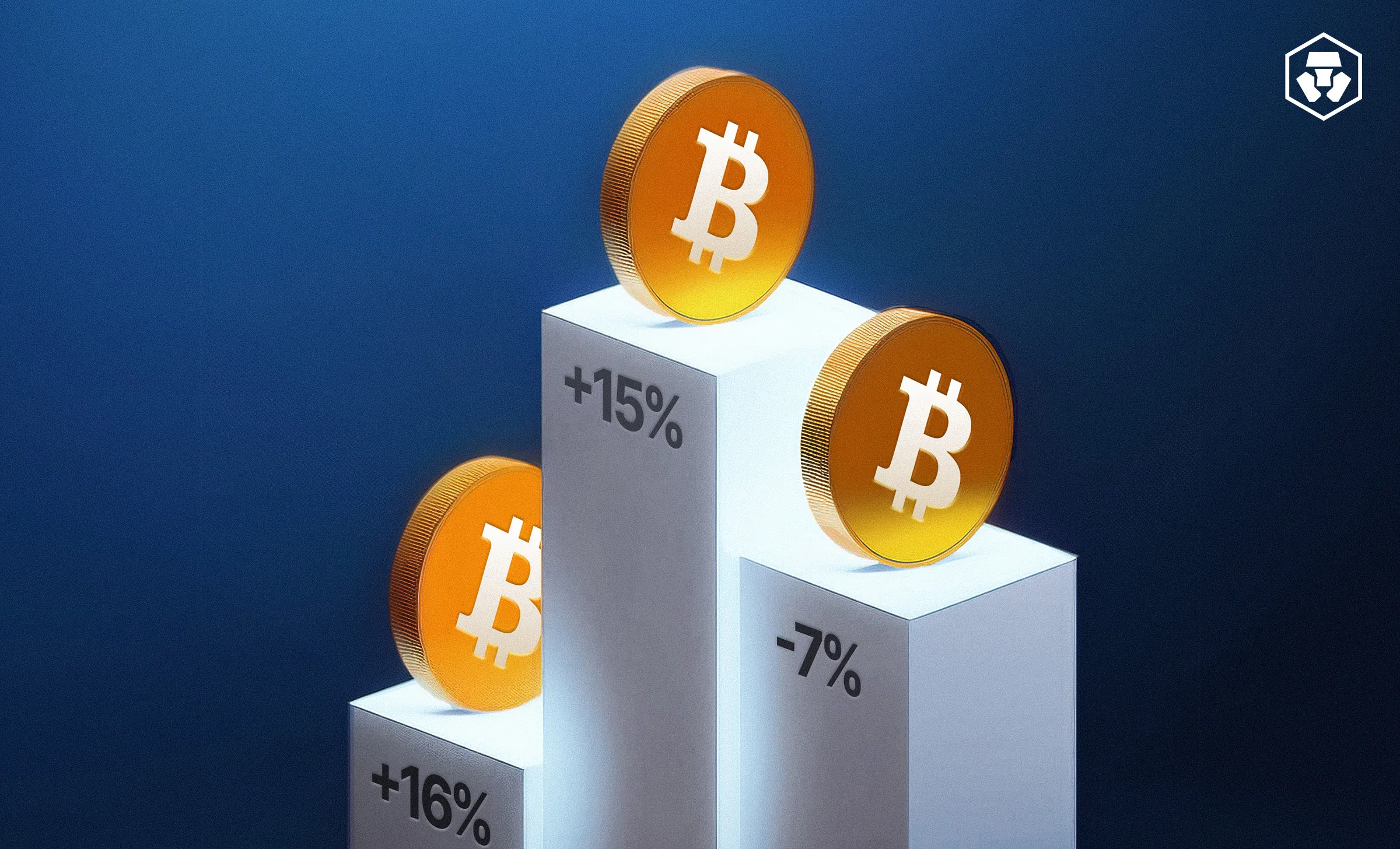
Bitcoin halving charts function as quantitative models for tracking supply-side tightening. By mapping the 50% reduction in block rewards across the 2012, 2016, 2020, and 2024 cycles, investors identify consistent 4-year price appreciation windows. Historically, the supply issuance dropped from 50 BTC per block in 2009 to 3.125 BTC post-April 2024, creating predictable shifts in stock-to-flow ratios that frequently precede market cycle peaks.
The 2024 adjustment reduced daily production from 900 BTC to 450 BTC, tightening the available supply for institutional buyers. When traders analyze the bitcoin halving chart, they look for the specific moment where the realized price surpasses the cost of production for marginal mining units. Mining entities typically maintain treasury reserves that fluctuate with these cycles, often liquidating holdings when network difficulty hits record highs.
Historical data indicates that post-halving growth cycles lasted an average of 480 to 520 days before hitting cycle tops. In the 2020 cycle, the price climbed from approximately $8,500 in May 2020 to $64,000 by April 2021, representing a 650% increase driven by expanding global M2 money supply and retail liquidity.
Network hash rate provides a secondary layer of data, reflecting the aggregate computational power deployed by participants. Following the 2024 protocol adjustment, the network hash rate exceeded 600 EH/s, demonstrating that infrastructure investments remain robust despite the 50% revenue cut for miners. This resilience suggests that participants anticipate long-term demand growth to offset reduced issuance rates.
| Metric | 2016 Halving | 2020 Halving | 2024 Halving |
| Block Reward | 12.5 BTC | 6.25 BTC | 3.125 BTC |
| Daily Issuance | 1800 BTC | 900 BTC | 450 BTC |
| Avg Price Change (12m) | +280% | +550% | TBD |
The interaction between mining cost and market price creates a floor, as inefficient operators exit the network when their cost to generate 1 BTC exceeds current market spot rates. This capitulation phase often occurs within 60 to 90 days of the halving, clearing out over-leveraged miners. The resulting difficulty adjustment, which recalibrates roughly every 2,016 blocks, ensures the network remains functional despite changes in participation.
Institutional demand acts as a force multiplier when paired with predictable supply constraints, especially as major asset managers allocate portfolios to digital assets. Since the approval of spot exchange-traded funds in early 2024, daily net inflows have occasionally exceeded the entire daily production volume of new coins. This liquidity imbalance often accelerates price discovery phases, shifting the timing of traditional cycle peaks earlier than 2012 or 2016 patterns might suggest.
Portfolio managers track the ratio between ETF net inflows and the 450 BTC daily supply cap to estimate potential upward pressure. In February 2025, aggregate inflows across major platforms accounted for over 10,000 BTC per day, far outpacing the 450 BTC daily issuance rate, creating a clear supply deficit that influences price action independently of traditional 4-year cycle expectations.
Macroeconomic conditions, such as United States Treasury yield curves and real interest rates, introduce variables that alter historical correlation patterns. When real rates remain positive above 2%, speculative assets often see lower retail participation, dampening the magnitude of parabolic runs. Conversely, periods of monetary expansion provide the necessary capital depth to absorb the supply contraction, allowing price discovery to move toward new record highs.
The variance in cycle duration is partially explained by the shift from retail-dominant markets to institutional-heavy structures. While the 2012 cycle took 365 days to reach its peak, the 2020 cycle extended that window significantly due to global liquidity events. Investors now model these timelines using multivariate analysis rather than simple linear extrapolation, adjusting for ETF demand velocity and the total circulating supply of 19.7 million coins.
Miners now hold less than 1.5 million BTC in combined reserves, a drop from the 2 million BTC held in 2021, reflecting a shift toward operational efficiency over long-term hoarding. This change in treasury behavior means that future price surges will rely more on external spot market demand than on the release of miner-held inventory. Participants monitor these wallet outflows on-chain to gauge the volume of sell-side pressure present in the spot market.
Statistical analysis of previous cycles shows that 85% of total supply is held by addresses with low velocity, implying that the liquid supply available for active trading is much lower than the 19.7 million figure might suggest. As the remaining 1.3 million BTC are mined over the next century, the scarcity effect of each halving becomes more pronounced. This long-term trend informs the pricing models used by institutional researchers, who often look toward the 2028 and 2032 cycles as inflection points for institutional adoption.
-
Monitor net daily flows from top 10 global ETF providers for liquidity signals.
-
Observe miner address balance changes to identify phases of selling pressure.
-
Track the spread between the current spot price and the estimated global average production cost per BTC.
-
Evaluate changes in M2 money supply growth rates as a gauge for speculative capital inflow.
The efficiency of the network ensures that even with reduced block rewards, security remains high through increased transaction fee competition. When network congestion rises, transaction fees can contribute up to 30% of total miner revenue, decoupling operational stability from the block subsidy alone. This transition is essential for the long-term sustainability of the protocol as the halving continues toward the eventual issuance limit.